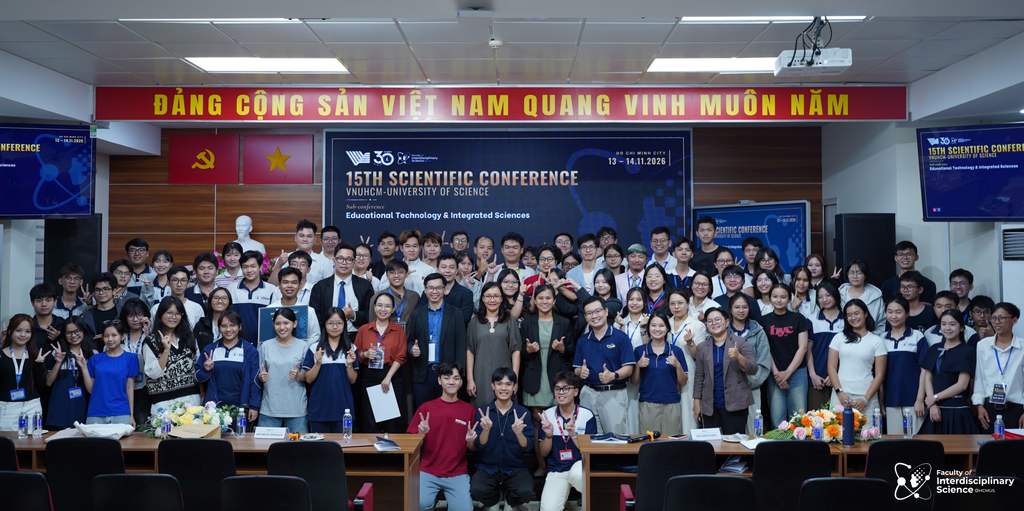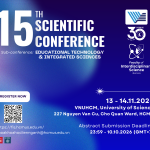

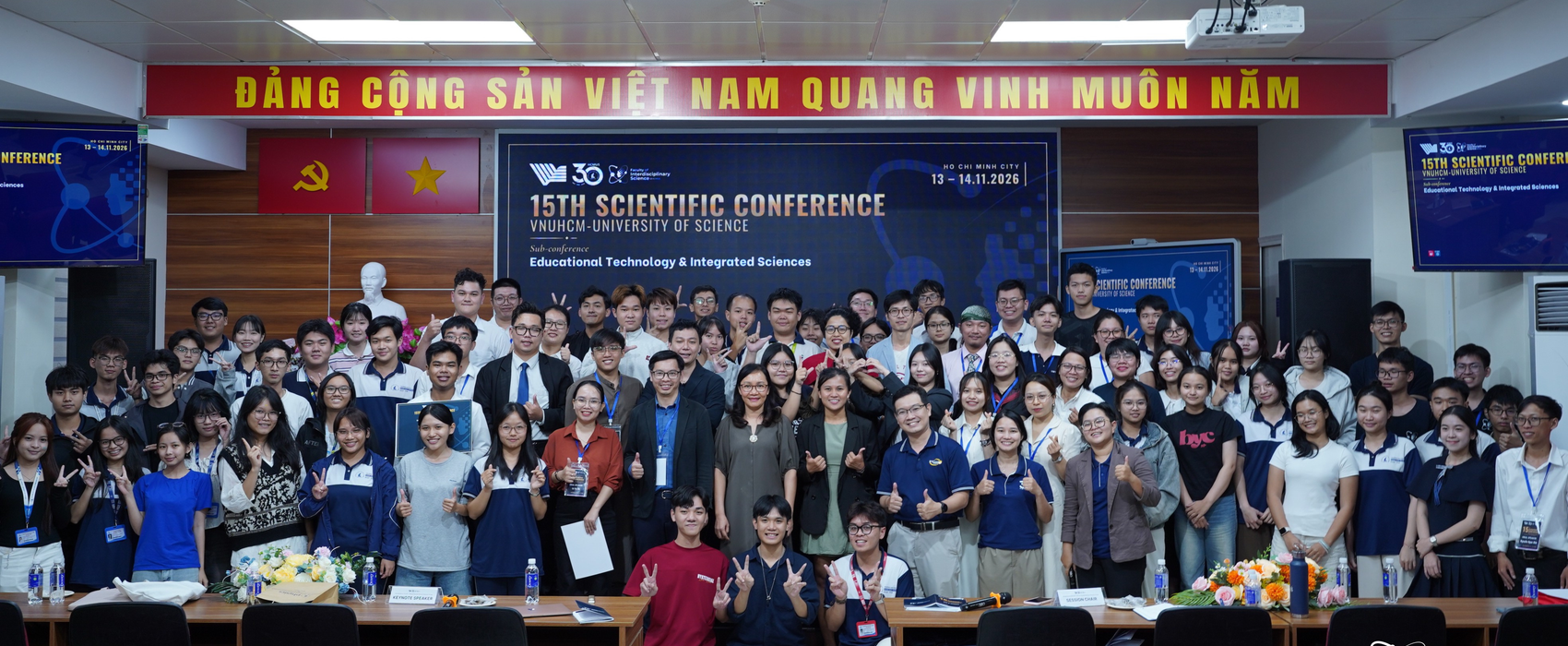
On 13–14 November 2026, the Educational Technology & Integrated Sciences Section of the 15th Scientific Conference of the University of Science, Vietnam National University Ho Chi Minh City (VNUHCM-US) was successfully held at the University’s campus at 227 Nguyen Van Cu Street. Organised by the Faculty of Interdisciplinary Science, the section brought together researchers, lecturers, experts, educational technology companies, as well as graduate and undergraduate students from Vietnam and abroad.
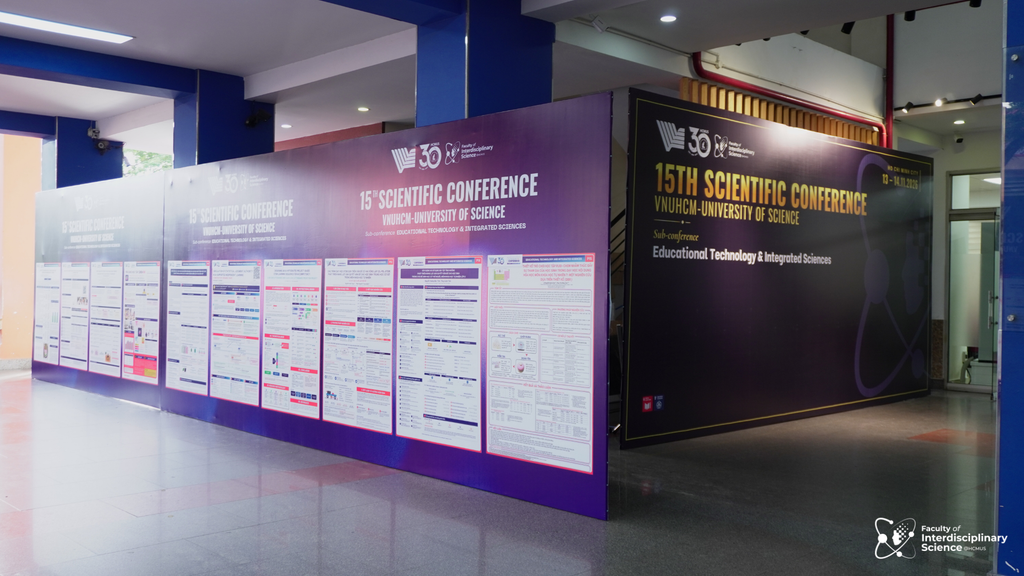
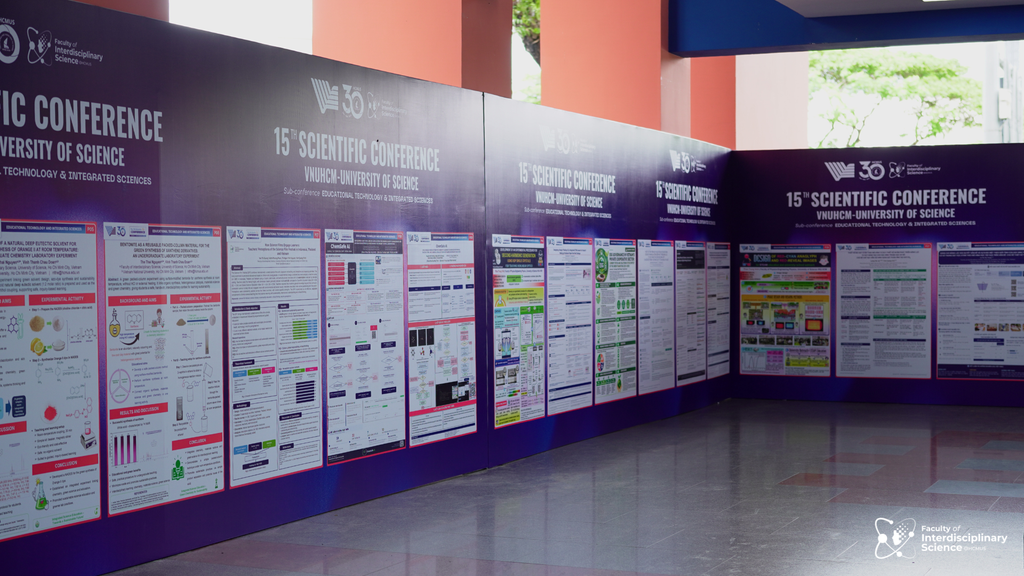
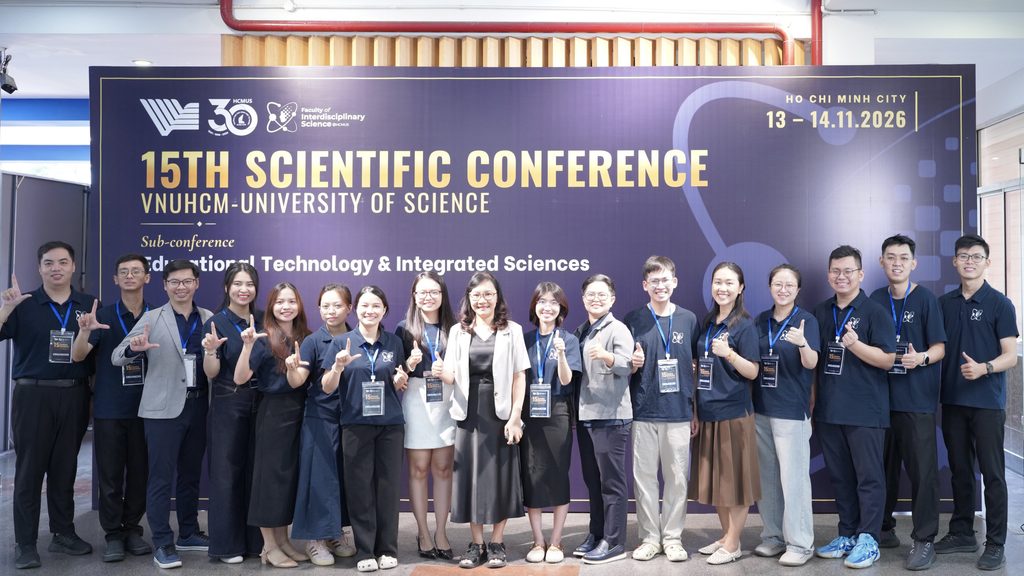
The conference aimed to share the latest research findings and practices in the application of technology to education. It also sought to foster dialogue among the natural sciences, the social sciences and education, contributing to learner-centred learning environments at a time when artificial intelligence is profoundly reshaping every field.
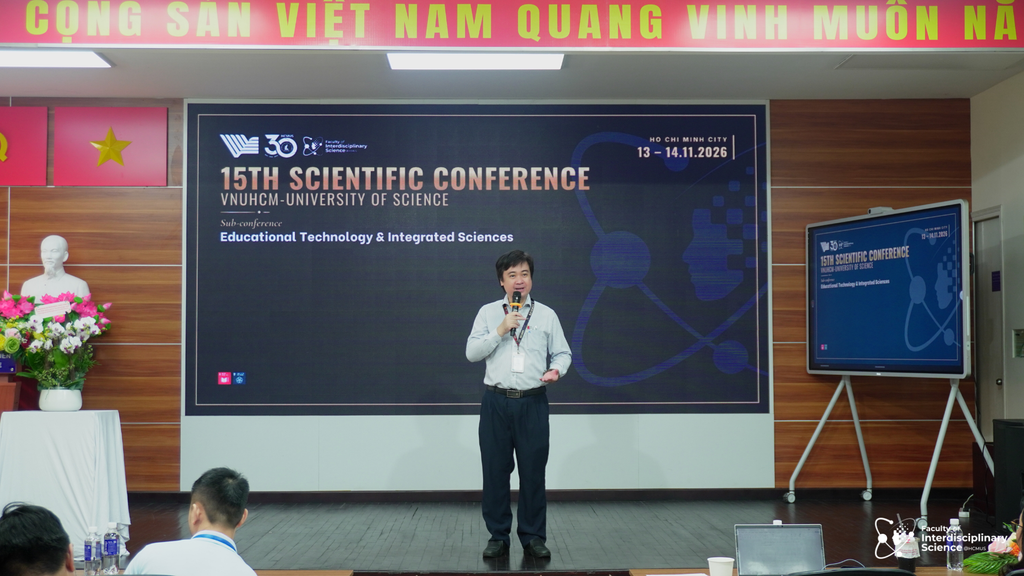
A rich academic programme
The programme featured over 80 presentations, organised into four thematic sessions:
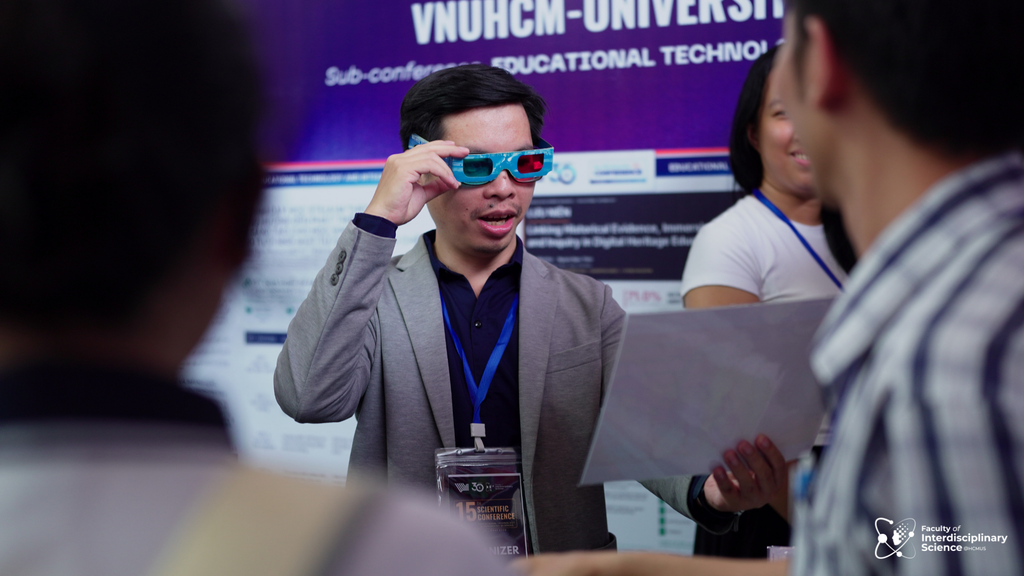
- Educational technology, learning experience and generative AI in teaching: extended reality (XR) for field-trip-based training, AR/VR for cultural heritage education, the VNU-MOOC open learning platform, and the redesign of teaching activities with generative AI.
- Learners, game-based learning and STEM/science education: university students’ learning behaviour, educational games, STEM lessons integrating education for sustainable development, and tools for evaluating STEM lesson plans.
- AI in higher education and research: personalised learning frameworks, institutional capacity for interdisciplinary education, and the journey from AI models to real-world products.
- AI, data and technology in teaching: practical solutions that bring artificial intelligence and data into everyday teaching.
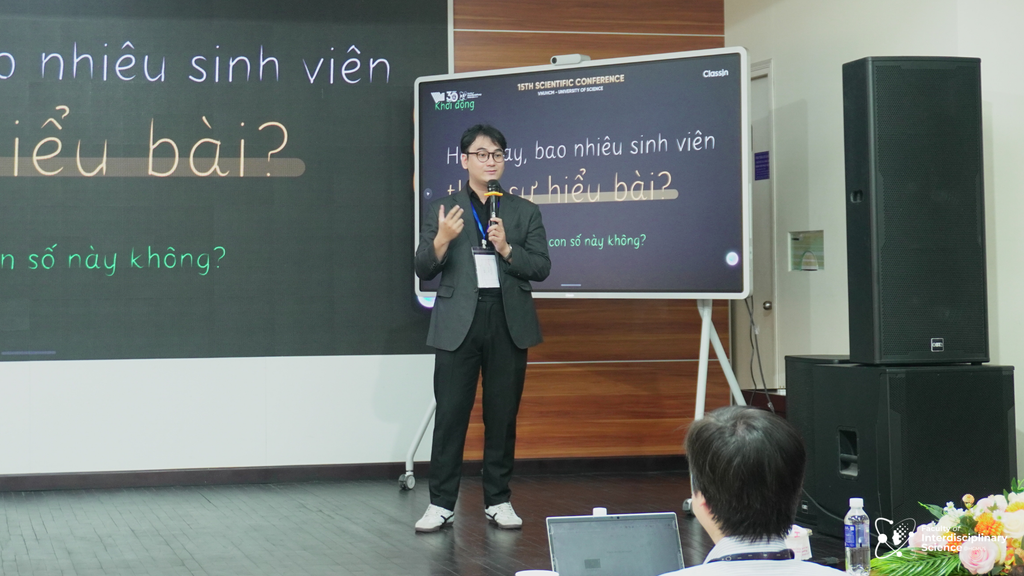
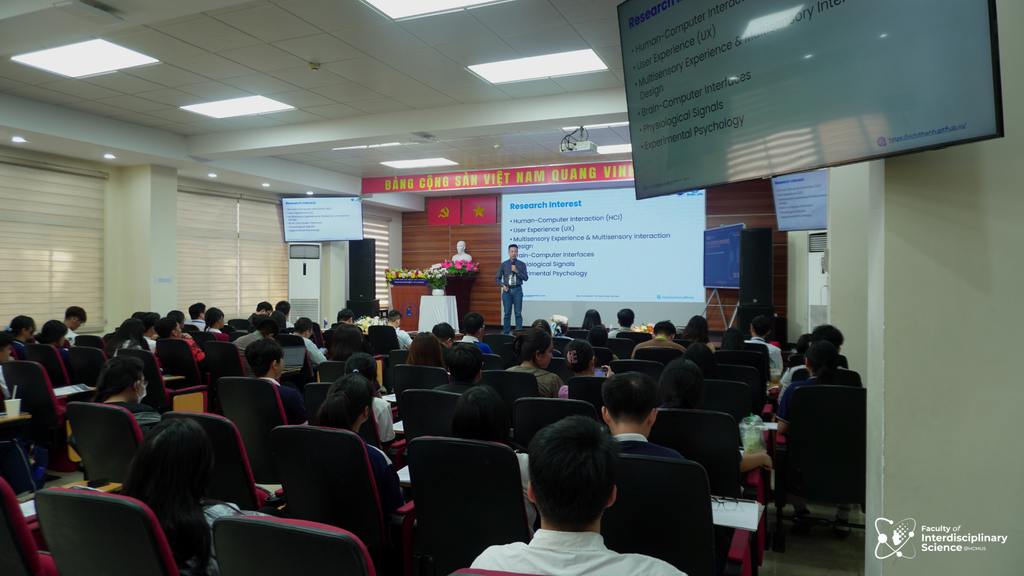
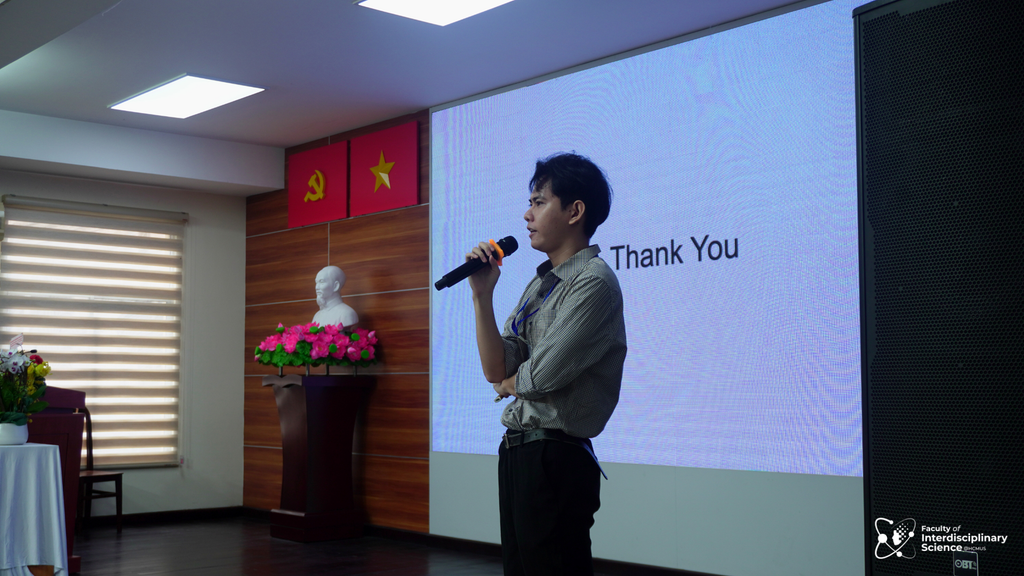
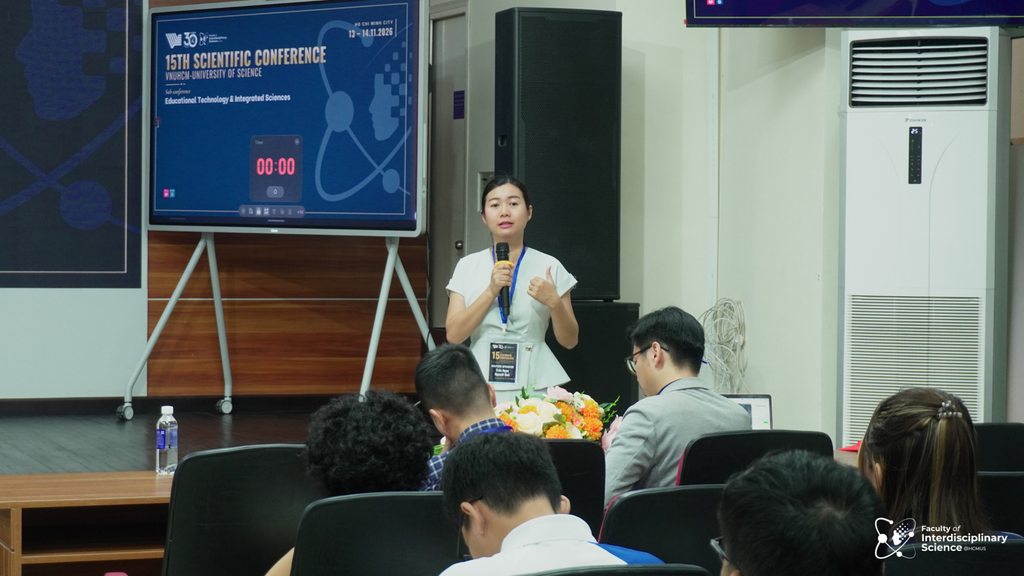
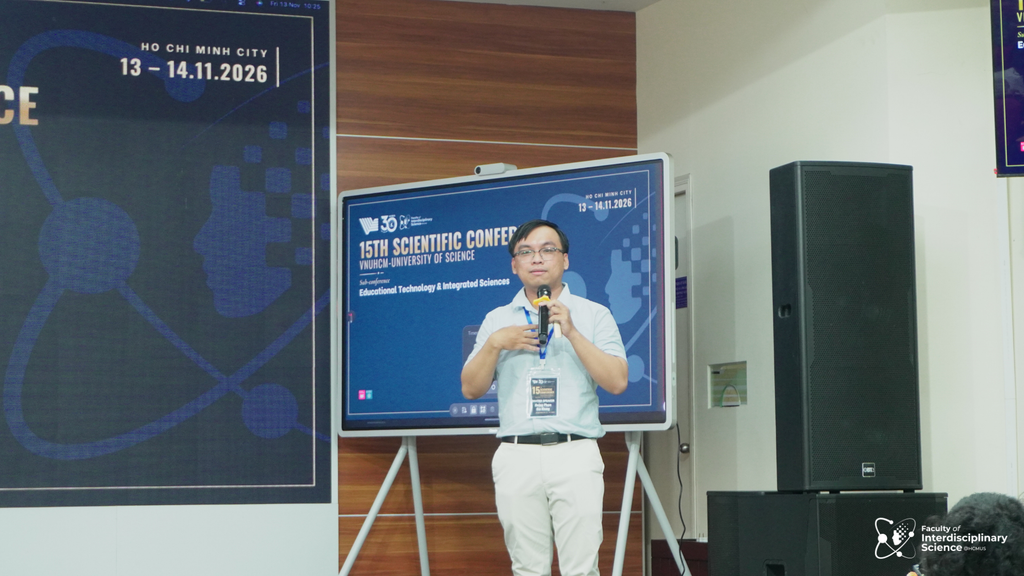
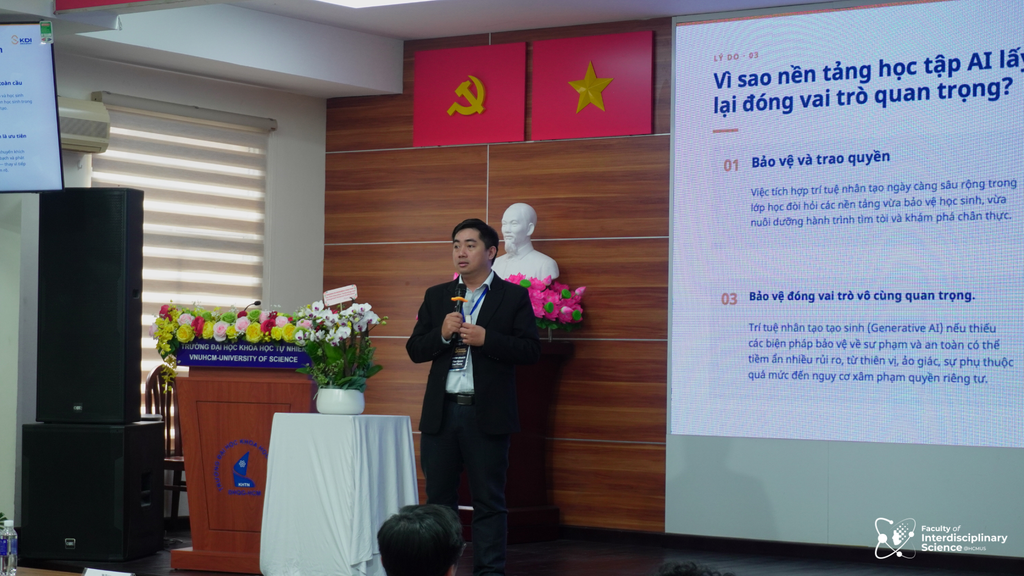
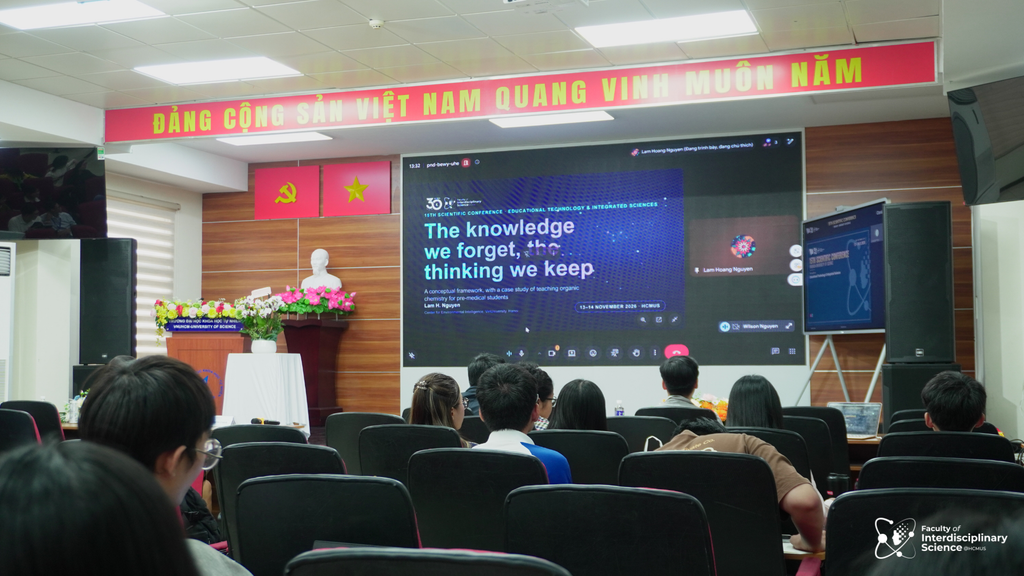
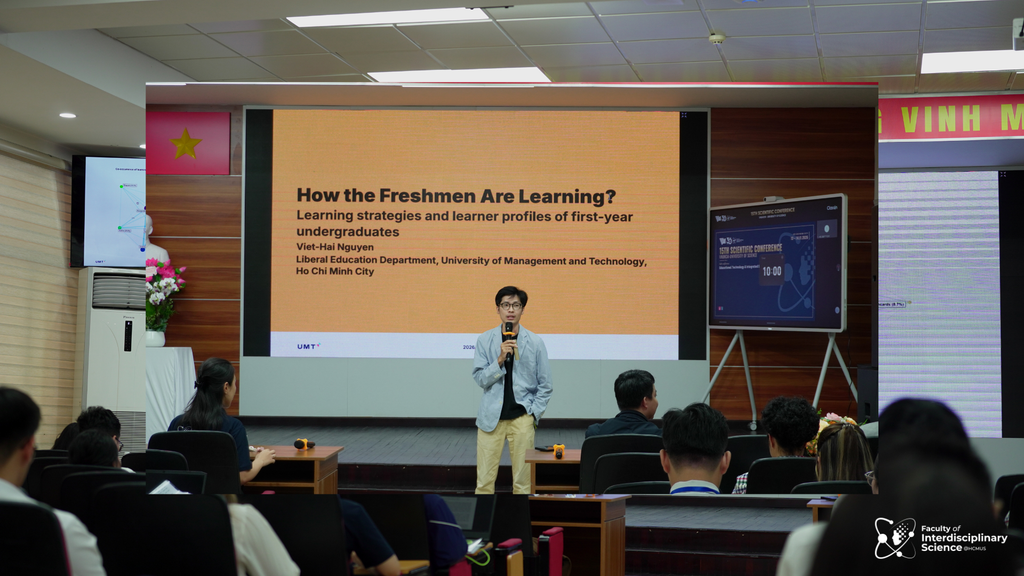
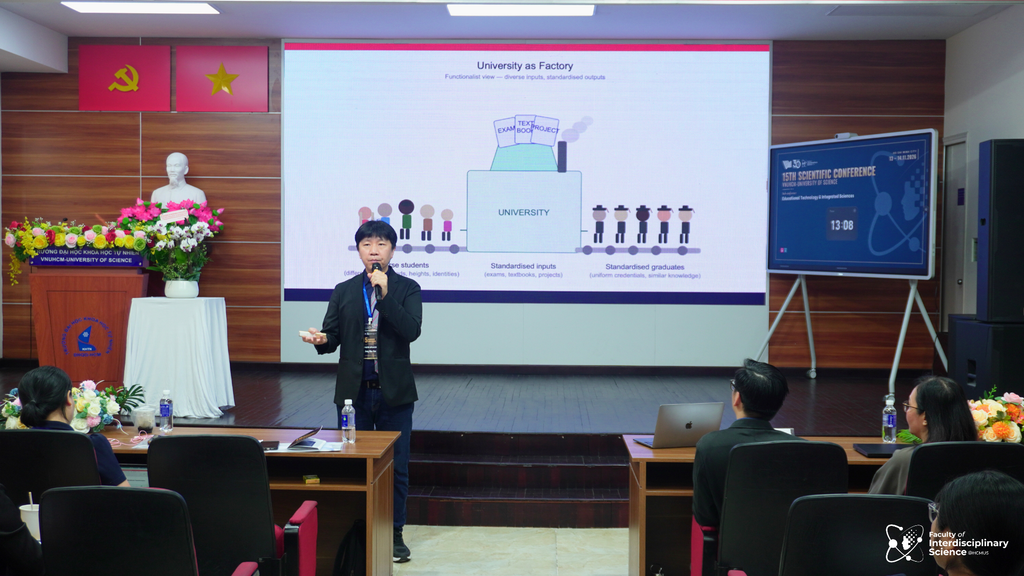
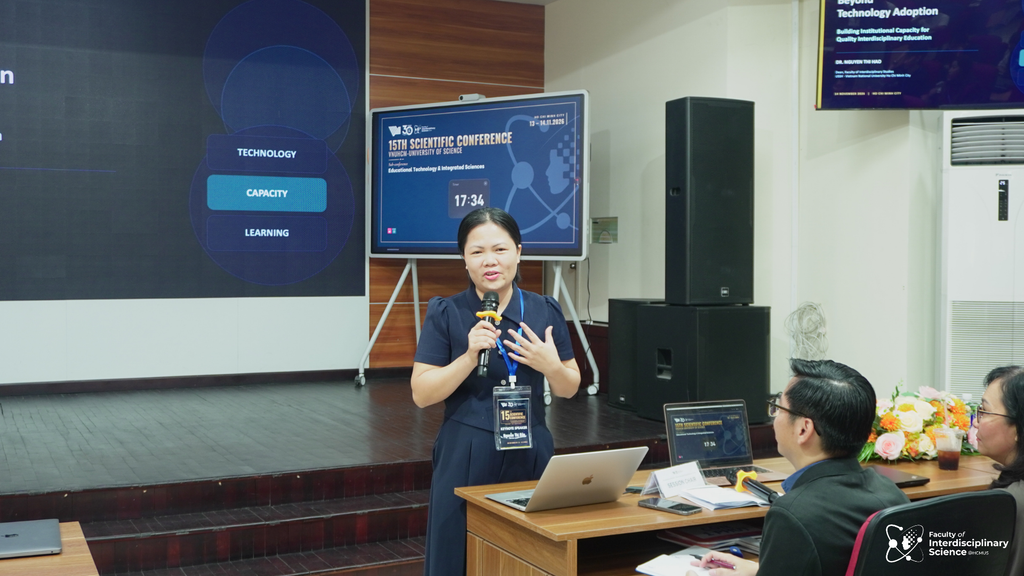
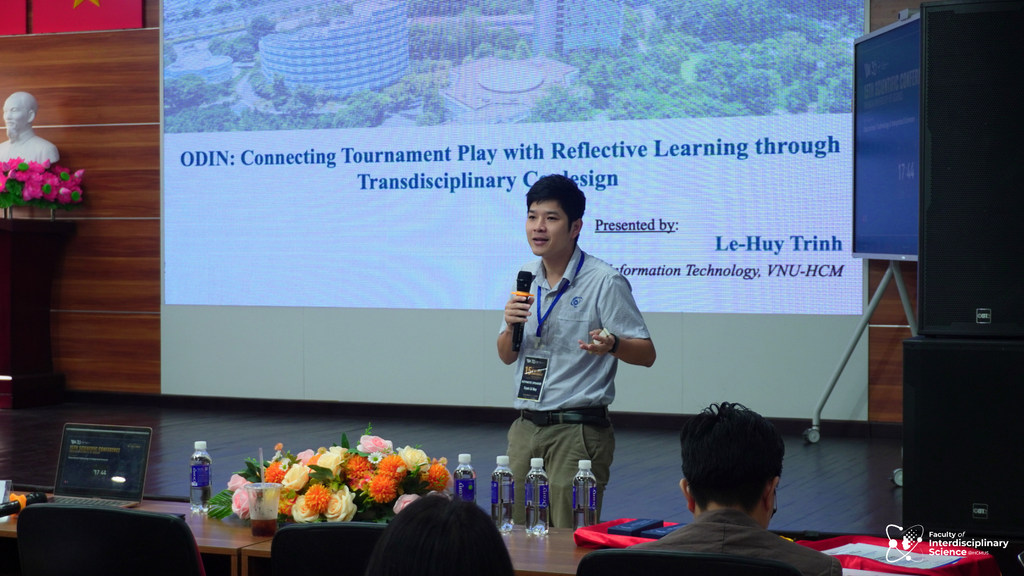
The conference was honoured to welcome keynote speeches by Chi-Thanh Vi (Institute of Innovation, University of Economics Ho Chi Minh City), Jung Woo Han (RMIT University Vietnam), Nguyen Thi Hao (Faculty of Interdisciplinary Sciences, University of Social Sciences and Humanities, VNUHCM), Le-Huy Trinh (University of Information Technology, VNUHCM), Li-Tang Yu (National Tsing Hua University, Taiwan; online), and the team of Doan Diep Minh Triet, Quan Minh Hoa and Nguyen Ha Hung Chuong. Their talks offered insightful perspectives, ranging from brain–computer interfaces and multisensory interaction to AI-powered personalised learning and the integration of generative AI into STEM teaching.
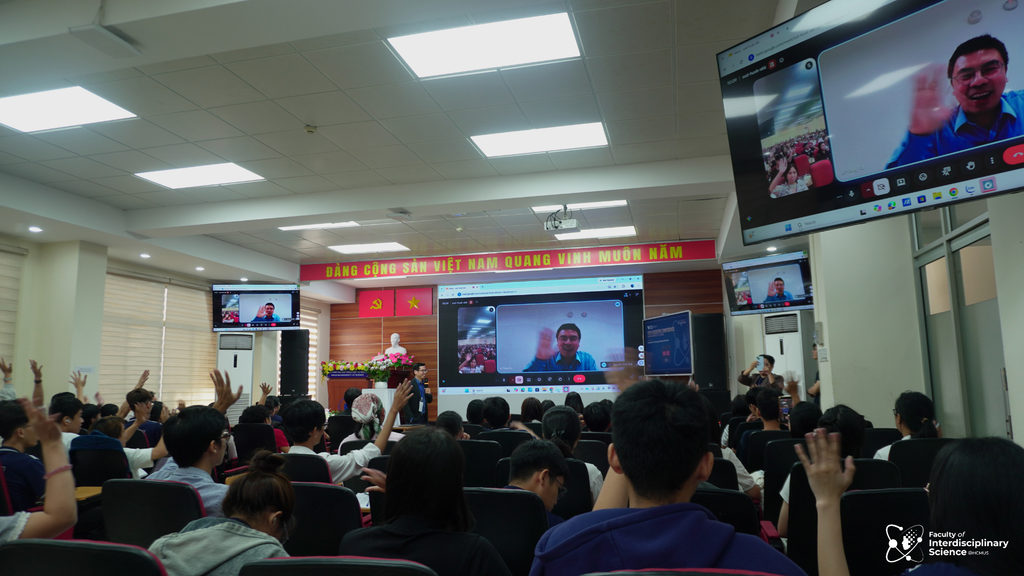
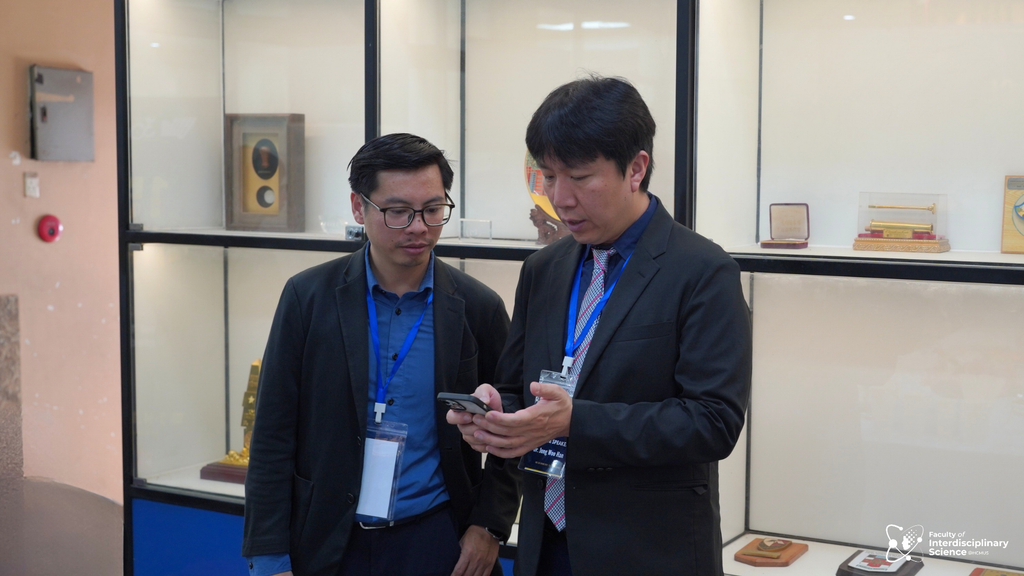
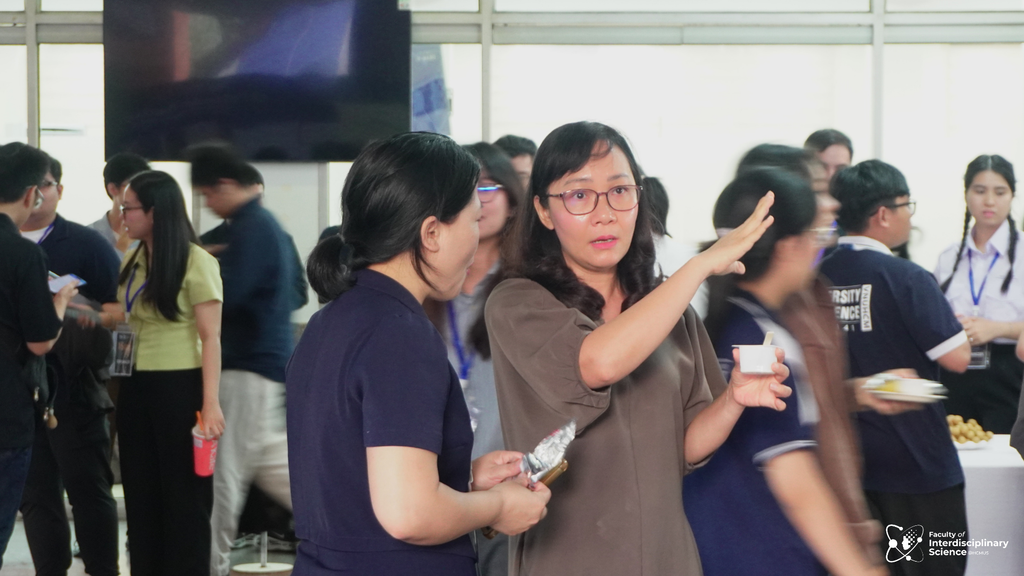
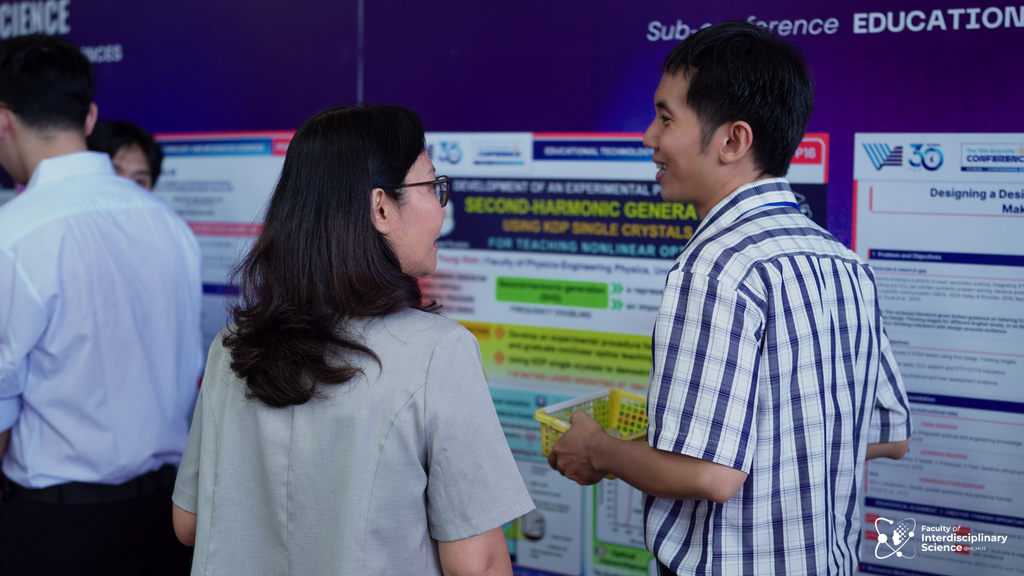
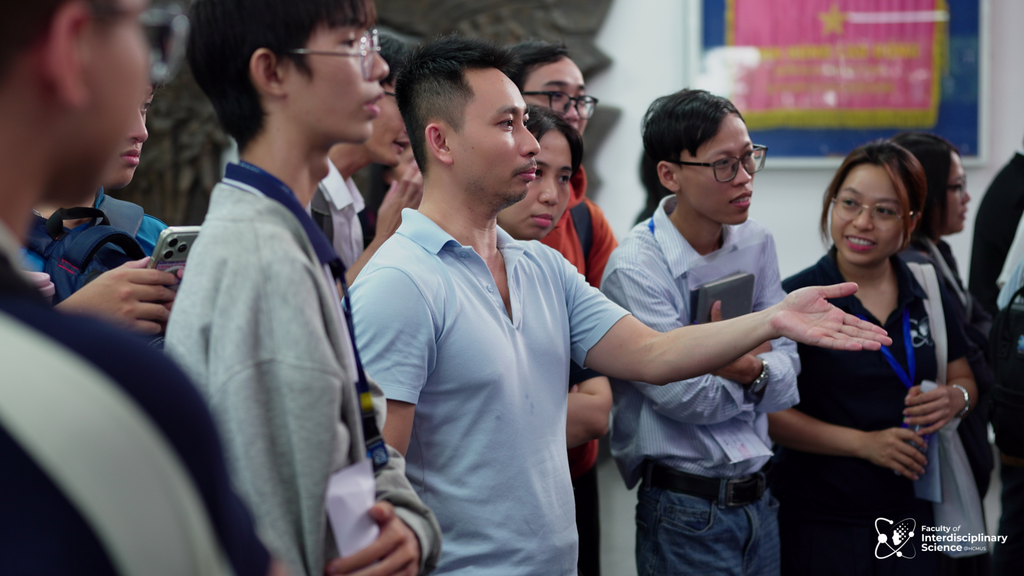
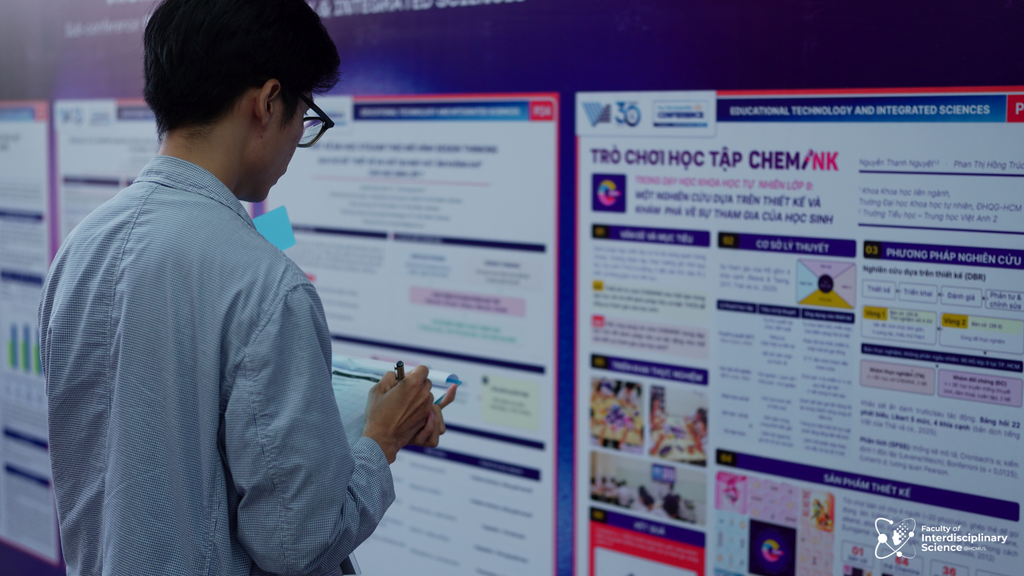
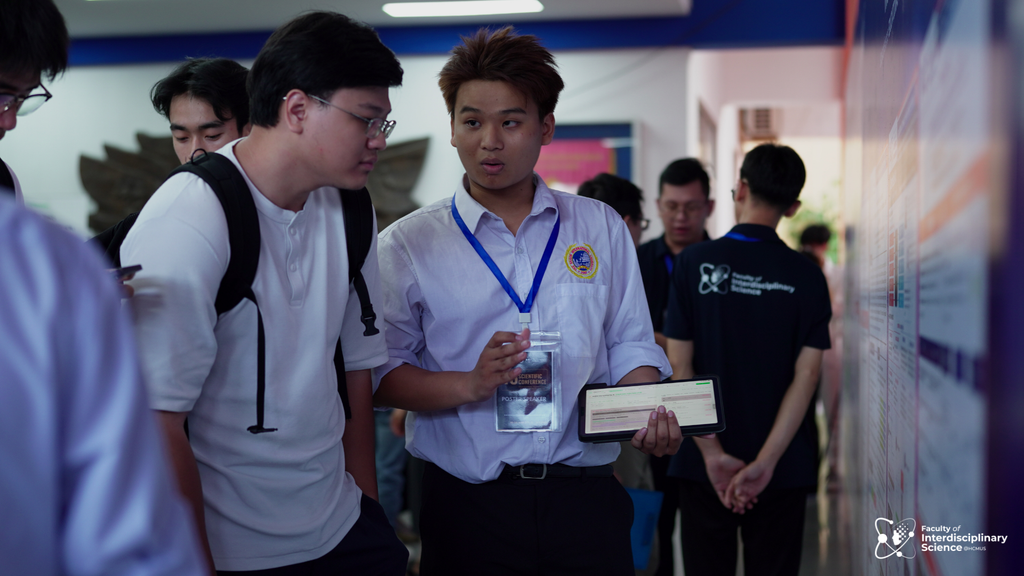
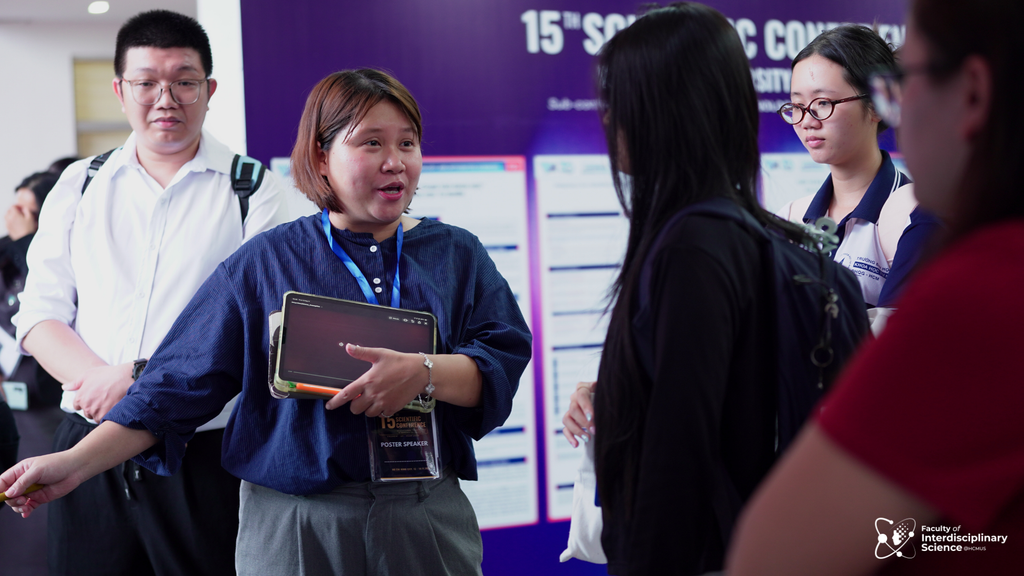
On the afternoon of 13 November, a lively poster session gave authors the opportunity to present their findings in person and engage in discussion with the Scientific Committee, creating an open and collegial academic atmosphere.
Honouring outstanding contributions
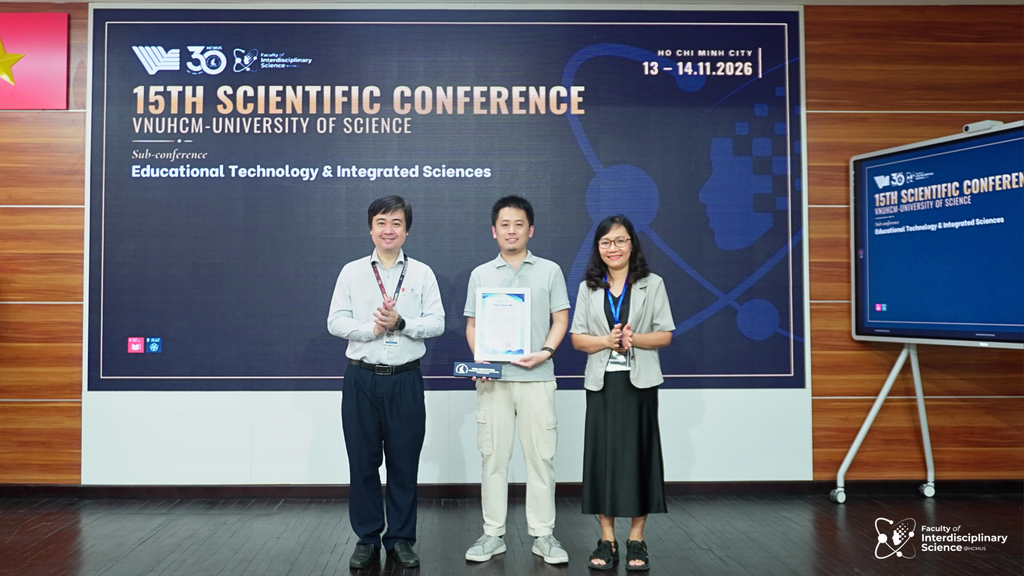
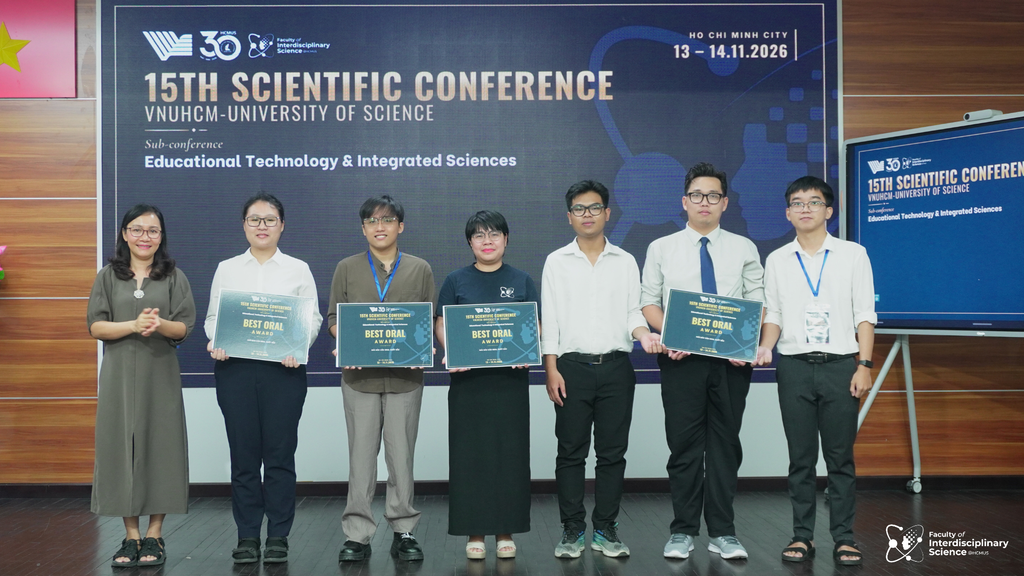
At the closing session on the afternoon of 14 November, the Organising Committee announced and presented the Best Oral Presentation Awards and Best Poster Awards to the following works:
Best Oral Presentation
- The More We Use AI, the More We Fear Being Replaced in Research? A STARA Awareness Perspective. Dang Hoang Anh Thu et al.
- The impact of a STEM career card set on lower secondary students’ career orientation (original title in Vietnamese). Le Hoang Minh, Trinh Quang Vinh, Duong Thi Yen.
- SignTrans: An AI-based software system supporting sign language interpretation for deaf and hard-of-hearing people (original title in Vietnamese). Duong Thanh Binh, Luong Gia Huy, La Buu Huy.
- AI Dependence Among Vietnamese University Students: Multidimensional Profile, Disciplinary Differences, and Comparison With Chinese Undergraduates. Nguyen Huynh Thanh Thao et al.
Best Poster
- Biodiversity Island: Educating about Vietnam’s biodiversity (original title in Vietnamese). Bui Vien Duong, Pham Thi Thao Nhi.
- Bentonite as a Reusable Packed-Column Material for the Green Synthesis of Xanthene Derivatives: An Undergraduate Laboratory Experiment. The Thai Nguyen, Vinh Thanh Chau Doan.
- Circulation of Statistical Judgment Authority in AI-Supported Independent Learning: A Constructivist Grounded Theory. Pham Nguyen Trung Nghia.
- Developing an AI-Supported HSKK Speaking Practice Platform Using No-Code Tools and Visual Storytelling. Tran Tuyet Khanh.
Acknowledgements
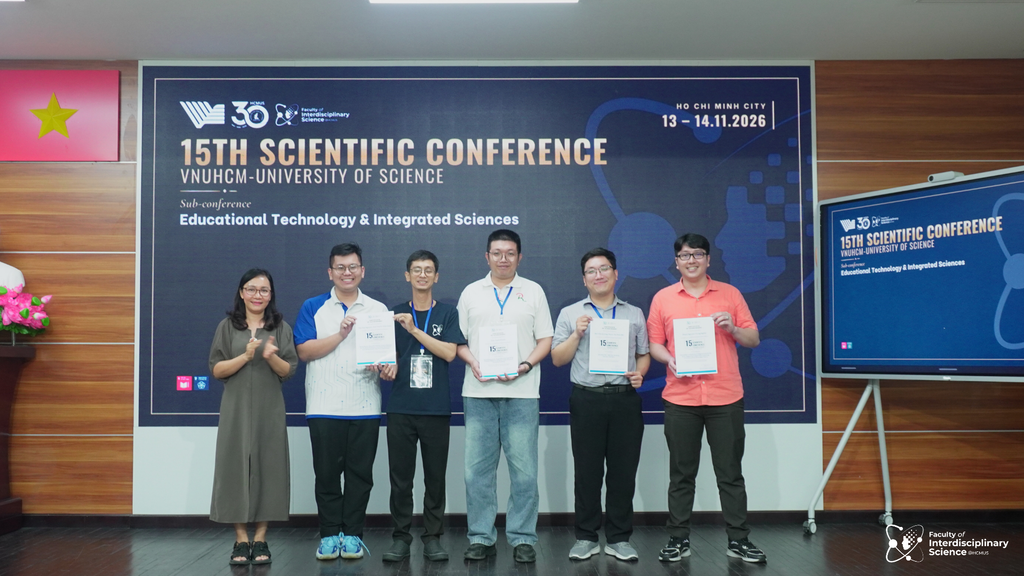
The Organising Committee extends its sincere gratitude to the keynote speakers, presenters, members of the Scientific Committee, distinguished guests, partners, and all faculty members and students whose contributions made the conference a success. The research and exchanges shared at the conference will serve as a valuable foundation for the Faculty of Interdisciplinary Science and its partners to further strengthen research collaboration and educational innovation in the years ahead.